Let's start with what's actually happening
Vaginal atrophy, now more accurately called genitourinary syndrome of menopause (GSM), is real and common. Declining estrogen thins the vaginal tissue, reduces natural lubrication, and changes how blood flows to the area during arousal. But here's the part nobody explains clearly: tissue changes don't equal pleasure loss.
Your clitoris has its own blood supply. Your nerve pathways are intact. The capacity for orgasm is absolutely still there. What changes is the journey to get there, and that's where most of the confusion happens.
Why penetration becomes complicated first
When tissue thins, direct friction during penetration can feel uncomfortable or painful before anything else shifts. That's why so many people assume their entire sexual response is broken when really it's just one mechanism that needs recalibration.
Clitoral stimulation, by contrast, bypasses most of these problems entirely. The clitoris sits externally. It doesn't need deep vaginal lubrication to feel good. And stimulation that doesn't rely on the stretching or friction of thin tissue? That works beautifully during recovery.
This is exactly why how to use lemon vibrators when you need clitoral stimulation without penetration becomes such a useful framework during atrophy recovery. You're not working around a broken system. You're using a tool designed for the parts that are still fully responsive.
How topical estrogen and vibrators work together
If you haven't already, talk to a gynecologist about vaginal estrogen cream or a low-dose vaginal tablet like Vagifem. These are localized treatments with minimal systemic absorption. Most people notice tissue improvement within 3-4 weeks.
But here's the thing. Tissue recovery and pleasure recovery aren't the same timeline. And you don't have to wait for tissue to be perfect before exploring sensation again.
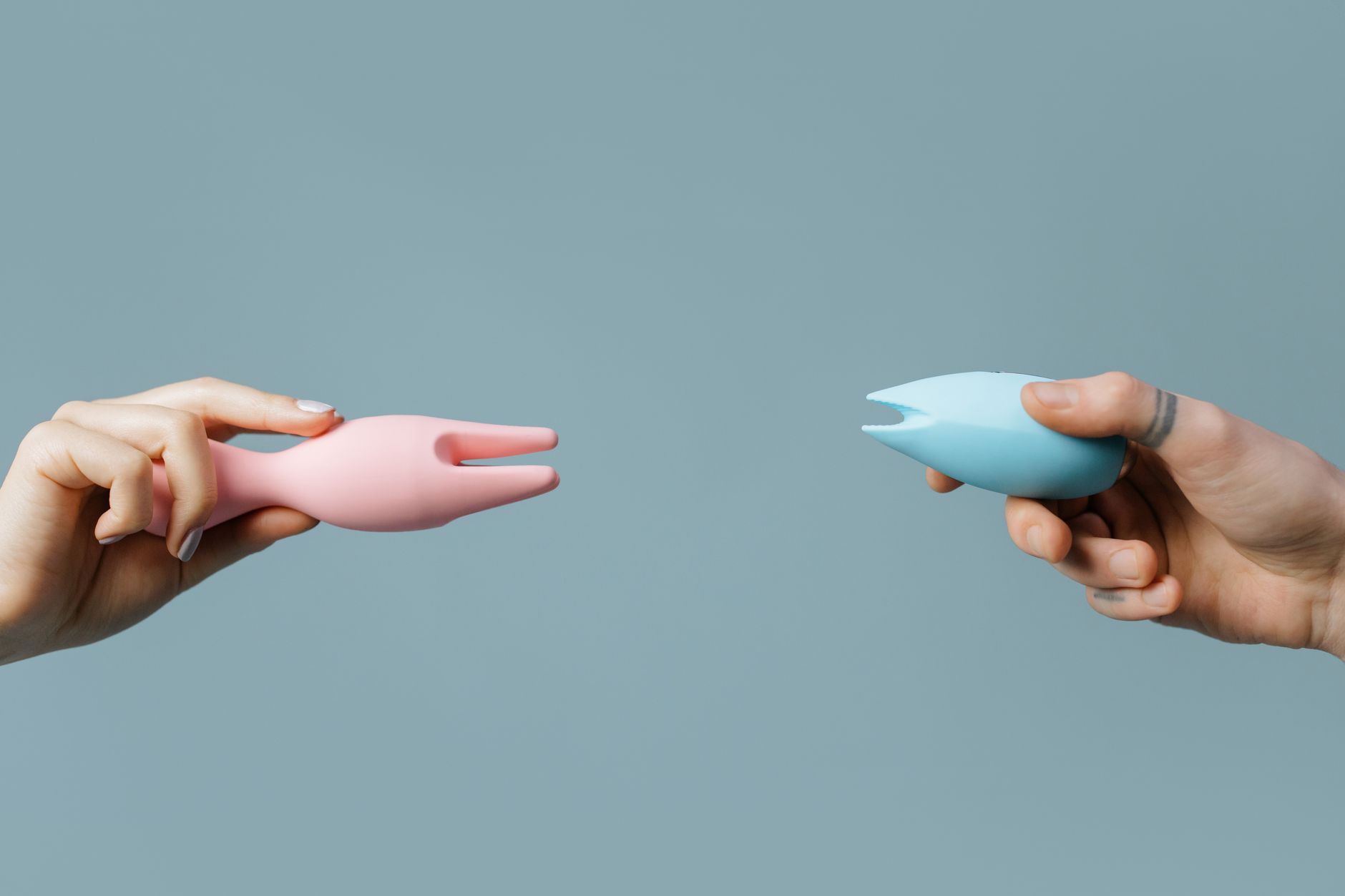
While you're using topical estrogen, clitoral vibrators from Lemon Toys Official like the Lem or Uno are working on a completely different mechanism. They're stimulating nerve endings that don't require thinned tissue to feel pleasure. You're exercising the neural pathways for arousal and orgasm while tissue heals underneath.
This matters. Research on sexual dysfunction shows that people who stay sexually engaged during recovery (even without penetration) have better outcomes than those who completely pause. Your brain is part of your sexual response system. Keep it engaged.
The warm-up ritual that matters most
During atrophy recovery, arousal takes longer to build and requires more patience. Budget 20-30 minutes instead of rushing. Here's why this timing matters physiologically: increased blood flow to the clitoris takes time. You're not being slow. You're being smart.
Start with external touch. Use hands or a low-vibration toy to explore what feels good on the vulva before introducing stronger stimulation. The Lem's gentlest pattern (setting 1) is perfect for this phase. You're building blood flow gradually rather than jolting tissue with intense sensation right away.
After 10-15 minutes of this, you'll likely feel the clitoris plumpen slightly. This is arousal happening. This is your system working exactly as it should. Now you can gradually increase intensity if you want to.
Lube becomes non-negotiable
Here's what's different during atrophy recovery: you're not lubricating to make sex feel better. You're lubricating to make it feel safe. Your tissue is thinner. Friction matters more.
Use water-based lubricant generously. Apply it to the vulva, the toy, and reapply as needed. Don't wait until you feel dry to add more. Keep lubrication preventive, not reactive.
Without adequate lube, even gentle clitoral vibration on sensitive thinned tissue can feel raw or irritated afterward. With good lubrication, everything changes. The same toy that felt rough now feels nurturing.
This is not a failure of your body. This is basic tissue care.
When sensitivity feels completely different
Some people find their clitoris becomes more sensitive during atrophy recovery. Others find it feels duller at first, then gradually comes back online. Both are normal.
If your clitoris feels hypersensitive, start with the vibrator over fabric (boxers, a thin robe, panties) rather than directly on skin. This filters the vibration and makes it less intense. As tissue heals, you'll gradually move the fabric away.
If sensation feels muted, that's often temporary. Estrogen-depleted tissue has less blood flow initially. As topical estrogen works and overall tissue health improves, sensation typically returns. In the meantime, lemon vibrators with stronger patterns (like the Avocado's deeper massage or the Lem's higher settings) can help you feel stimulation clearly without needing perfect tissue.
Neither scenario means something is broken. Both are part of the healing arc.
The partner conversation that prevents frustration
If you have a partner, this is worth naming directly. Atrophy recovery isn't a temporary blip. It's a 6-12 week process for tissue to feel substantially different. Your partner needs to know that timeline so they're not interpreting slower arousal or avoidance of penetration as loss of desire.
This is also the moment to separate two conversations that often get tangled together. "My body is healing and needs time" is different than "I want us to reconnect." The first is medical. The second is relational. Confusing them turns both into dead ends.
Consider exploring clitoral pleasure together as a bridge during recovery. How to use lemon vibrators when sex feels rushed or disconnected from intimacy explores this in depth. Your partner can be present, can touch you, can participate. You're not sidestepping intimacy. You're redirecting it toward what feels good right now.
Self-touch and solo recovery matter
This one's important. Solo exploration with a clitoral vibrator during recovery does something medication and time alone can't: it teaches your nervous system that pleasure is still accessible. You rebuild confidence in your own body.
When you've been avoiding sex because it hurt, your brain starts associating sexual touch with discomfort. Regular positive sexual experiences (even solo ones with a vibrator) rewire that association. Pleasure becomes something you expect, not something you're nervous about.
Spend 15-20 minutes a few times a week just experiencing sensation. No goal of orgasm. No partner involved. Just you and what feels good. This is rehabilitation. This matters as much as the estrogen cream.
Timeline and when to check back with your doctor
Most people see meaningful improvement in 4-6 weeks of topical estrogen. Tissue continues improving for 12 weeks. But improvement isn't linear. Some days will feel better than others.
If pain during penetration isn't improving after 8 weeks of topical estrogen and regular sexual activity, talk to your gynecologist again. Sometimes you need a different formulation, a higher dose, or an additional treatment like a vaginal dilator.
If you're using a clitoral vibrator and experiencing irritation, rawness, or pain afterward, that's a sign to slow down on intensity, use more lube, or add more rest days between sessions. Your tissue is telling you something. Listen.
Recovery isn't about pushing through discomfort. It's about gradually reintroducing pleasure in ways that feel safe.
People also ask
Can I use a vibrator immediately after starting vaginal estrogen cream?
Yes, but ease in. You don't need to wait for full tissue recovery to start exploring clitoral sensation. In fact, regular gentle stimulation during recovery is beneficial. Start with lower vibration settings and plenty of lubrication. Your tissue is more fragile than usual, so patience and hydration matter more.
Does vaginal atrophy make clitoral orgasms harder to achieve?
Not directly. Clitoral orgasms depend on blood flow to the clitoris and nerve responsiveness, both of which are usually still intact during atrophy. What often happens is arousal takes longer to build because overall blood flow to the area is reduced. Budget more warm-up time, and you'll likely find clitoral responsiveness is still very much there.
How much lubrication is too much when using a lemon vibrator during recovery?
There's basically no such thing as too much when you're dealing with atrophied tissue. More lubrication means less friction, less irritation, and more comfort. Reapply as needed throughout your session. If you notice excessive lubrication afterward, that's actually a sign your tissue is responding well to stimulation and blood flow is increasing.
Should I avoid all penetration while recovering from vaginal atrophy?
No, but be intentional about it. Gentle penetration with plenty of lubrication can actually help tissue recovery by increasing blood flow and maintaining elasticity. The key is pain-free penetration. If it hurts, pause. If it feels okay, it's fine to include it. Many people find clitoral stimulation alone feels better during recovery, which is equally valid.
Can vibrator use slow down vaginal atrophy recovery?
Absolutely not. Regular sexual activity and vibrator use actually speed up recovery by increasing blood flow to the area and promoting tissue remodeling. The stimulation is therapeutic, not harmful. Just pair it with plenty of lubrication and avoid intense settings on very fragile tissue.
What's the difference between using a lemon vibrator and penetration during atrophy recovery?
Clitoral vibrators work entirely on external tissue and nerve stimulation. They don't require the vaginal tissue to stretch or withstand friction. Penetration, even gentle, can put pressure on thinned tissue. During recovery, clitoral stimulation is often more comfortable and equally pleasurable. You're not choosing a lesser experience. You're choosing what feels good right now.