Let's talk about what happens when sex stops feeling like connection
You're going through the motions. Your partner is too. Nobody's complaining, exactly, but nobody's really present either. It's efficient. It's familiar. And somewhere along the way, it became the opposite of intimate.
This is one of the most common relationship dynamics I see in my practice, and it's almost never about desire. It's about rhythm, attention, and whether either of you actually has permission to slow down.
The speed trap in long-term relationships
When you've been with someone for years, sex often accelerates out of habit. You both know the script. Foreplay gets abbreviated. The focus narrows to a single outcome. What was once exploratory becomes transactional, and transactional sex feels like you're both just checking a box.
Part of this is neurological. Your brain loves efficiency. Once a pattern is established and proven to work, it stops paying attention. Your partner does the same thing. You're both running on autopilot, which is great for brushing your teeth and terrible for intimacy.
The other part is circumstantial. Kids, work, exhaustion, competing schedules. When you've got thirty minutes instead of three hours, it's tempting to optimize for speed. But optimization for speed is optimization against presence.
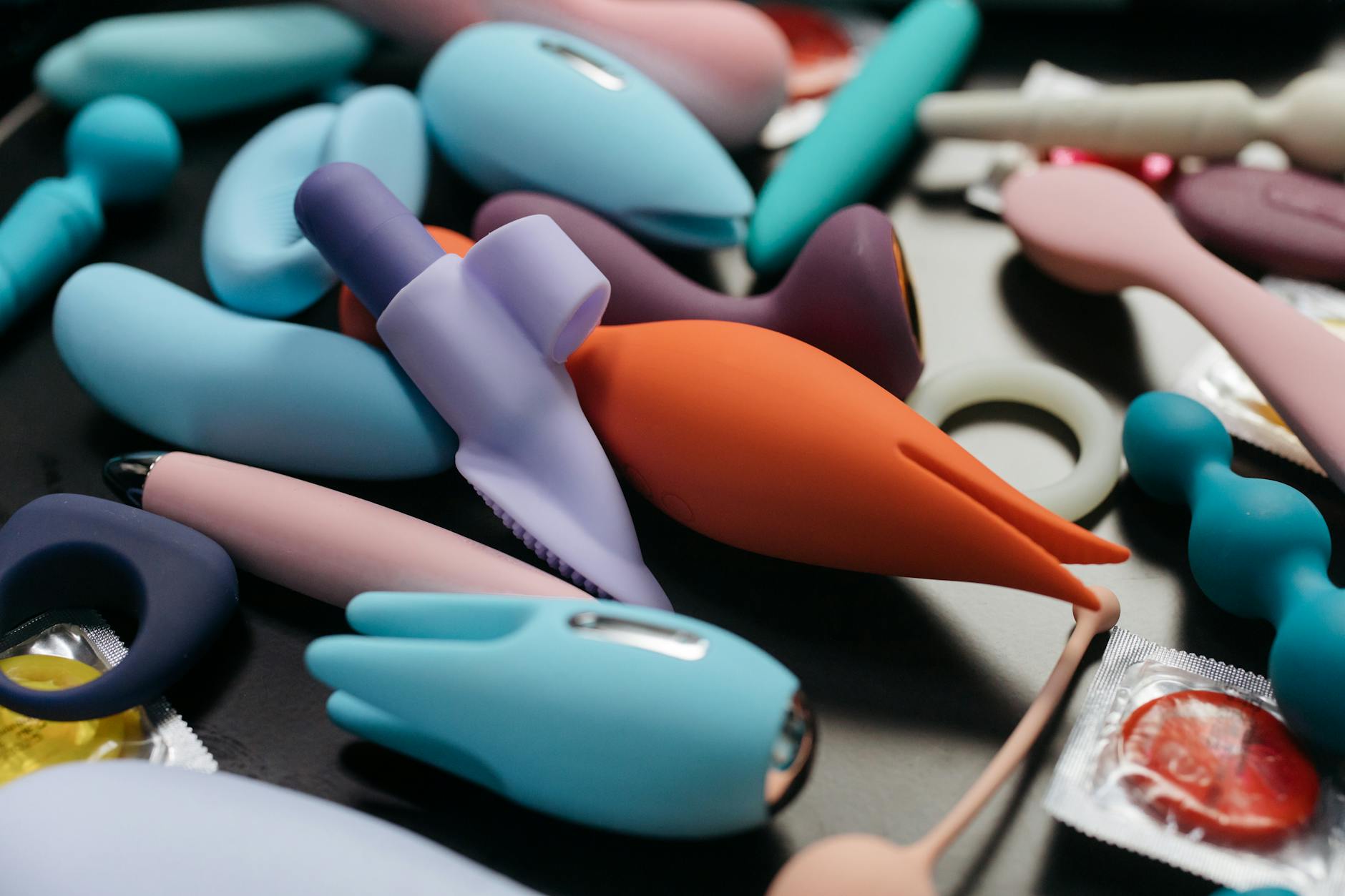
Here's where lemon vibrators change the game. They're not a solution to desire or attraction. They're a tool for forcing slowness back into the equation.
Why clitoral vibrators interrupt the autopilot pattern
When you introduce a Lemon Toys vibrator into a routine that's become mechanical, something shifts. Neither of you can half-pay-attention anymore. The sensation is different enough that your brain stops coasting and actually registers what's happening.
From a practical standpoint, vibrators extend the window before orgasm. If your partner usually finishes before you've even started, a vibrator levels that imbalance and gives you both time to actually be present with each other. But the real magic is simpler. A vibrator says, "We're doing something intentional here. We're paying attention."
I usually recommend introducing lemon vibrators at the beginning of foreplay, not at the end. Start with lower intensity settings, maybe pattern one or two on the device. The goal isn't to reach climax as fast as possible. The goal is to rebuild the habit of noticing each other.
The conversation you need to have first
Before you buy a clitoral vibrator or pull one out, you and your partner need to agree on what the device means in your context. Otherwise, it can feel like criticism. "You don't get me off fast enough, so I'm bringing in equipment" is how it lands if you skip this step.
The honest conversation is: "I want to slow down and actually be present with you, and I think using a vibrator together could help us both do that." Notice what's in that sentence. Not "I need this," but "we could both." Not performance anxiety language, but connection language.
Your partner might need to hear that this isn't about their ability to please you. It's about choosing presence over speed. Some partners resist vibrators because they feel replaced. Others are relieved someone finally said what they've been feeling.
How to actually use a Lemon Toys vibrator to rebuild intimacy
Start with your clothes on or in bed together but not in a sexual position yet. Hold the vibrator together. Let your partner learn what it does, what the settings feel like. There's no pressure to lead anywhere from here.
When you do move into sex, use the vibrator from the very beginning of touch. Don't save it for the finale. Use it while you're kissing, while your partner is inside you, while you're talking and making eye contact. The device becomes part of the conversation, not a replacement for it.
Keep intensity lower than you might expect. This isn't about reaching peak sensation as quickly as possible. It's about noticing your own arousal and letting your partner see that. Lower intensity settings on lemon vibrators give you more runway before you cross into overstimulation.
Set a time boundary that feels generous and protect it. "We have forty-five minutes and we're not checking our phones" sounds small. In a relationship where sex has become rushed, it's revolutionary. The device works better when you're not anxious about time.
The pacing shift that matters most
One of the hardest parts of reconnecting during sex is learning to slow your own arousal. If you usually climax in five minutes, you might find yourself approaching orgasm really quickly when you introduce a vibrator. This is normal. It doesn't mean you should barrel through and finish. It means you should ease off.
Tell your partner what's happening. "I'm getting close but I want to stay here a minute." This is presence. This is intimacy. Your partner hears that you're with them, and they get to choose how to respond.
Lemon clitoral vibrators are excellent tools for this because you can modulate intensity without losing sensation entirely. Drop from pattern five to pattern three. Back off from direct contact. Build a rhythm that lets you stay aroused without accelerating toward climax.
This skill transfers back to sex without the vibrator too. Once you've practiced staying present instead of chasing the finish line, your brain resets to that priority. The device does its job and then becomes optional.
When disconnection is about more than speed
If your sex life feels rushed and distant, but vibrators don't seem to change anything, the issue might not be logistical. It might be emotional.
Sometimes sex feels disconnected because trust has eroded. Sometimes because resentment has built up. Sometimes because one person has checked out of the relationship entirely. A vibrator can't fix any of those things. What it can do is create space for the conversation about why you're moving through sex like you're both already somewhere else.
If that conversation reveals deeper issues, that's worth exploring with a relationship therapist. But often, the conversation starts with admitting that sex has become transactional, and you both want it to feel like connection again. A clitoral vibrator becomes the permission structure to slow down and find out if that's still possible.
The practical setup that actually works
Keep a lemon vibrator somewhere you'll actually use it, not hidden away. Nightstand drawer, easily accessible. Couples who successfully rebuild intimate sex aren't usually the ones who have to excavate a vibrator from a closet shelf.
Charge it ahead of time so you're not dealing with a dead battery in the moment. That small frustration breaks the mood faster than anything else.
Use water-based lubricant alongside the vibrator. It extends sensation, feels better, and takes any performance pressure off your body to self-lubricate on demand. This alone can shift sex from feeling mechanical to feeling good.
Start with lower settings and work up. Most people with clitoral tissue are tempted to go straight to high intensity, especially if they've been numb to sensation in their relationship for a while. But high intensity early closes off the window for presence. Low and slow rebuilds the habit of noticing what you feel.
People also ask
Will using a vibrator make my partner feel inadequate or replaced?
Not if you frame it correctly beforehand. The conversation isn't "you don't work, so I need this." It's "I want us both to slow down and be more present, and I think this could help." A vibrator is a tool for connection, not a judgment on your partner's ability. Most partners, once they're over initial resistance, appreciate the permission to move slowly too.
How do I introduce a clitoral vibrator if my partner has never used one?
Start with the conversation first, then let them hold and examine it when you're not in a sexual context. Show them the different patterns on your arm or hand so they understand the range. When you do use it together, they can watch or participate in turning it on and off. Involvement reduces resistance.
Can lemon vibrators actually help reconnect a couple or is that overstated?
They can facilitate reconnection if disconnection is about speed and presence. If it's about deeper betrayal, infidelity, or emotional distance rooted in something else, the vibrator is a band-aid. But for couples where sex has become efficient and disconnected, introducing something that requires attention can absolutely be a reset button. Pair it with honest conversation and it's more powerful.
What if I want to use a vibrator but my partner says no?
Respect that boundary initially. But ask why. Is it insecurity? Misunderstanding? Genuine discomfort? Different answers require different responses. Sometimes a conversation about what the device actually means can shift their perspective. Sometimes you're working with a real incompatibility. Either way, pushing past a no doesn't rebuild intimacy.
How often should we use a vibrator to rebuild intimacy?
As often as feels natural, not as a new obligation. If you're using it every single time and it's starting to feel like required equipment, you've replaced one autopilot pattern with another. The goal is to reset your brain to value presence. Once you've done that, you might use a vibrator sometimes, or you might find that the slowness you learned sticks around without it.
Can a vibrator help if my partner and I have completely different sex drives?
Partially. If one person wants sex twice a week and another wants it twice a month, a vibrator won't bridge that gap. But if you do come together, a vibrator can make that encounter feel more pleasurable and connected for the person with lower arousal, which sometimes shifts their interest upward. It's not a cure for mismatched desire, but it can make the sex you do have feel less functional.
The real shift happens in your head
I've noticed that couples who successfully use vibrators to rebuild intimacy don't usually keep using them long-term. The vibrator is a reset button, not a permanent fixture.
What changes is the belief system underneath. You prove to yourselves that slowness is possible. You remember what presence feels like. You stop optimizing for speed because you've experienced the alternative.
That shift is worth the initial awkwardness of introducing a tool into your sex life. Start small, have the conversation first, and remember that the point isn't the vibrator. The point is choosing each other for forty-five unrushed minutes.
If you're wondering how to navigate this conversation or need more guidance on rebuilding intimacy in your relationship, reach out. Sometimes a little external perspective makes all the difference.