
Let's be real about antidepressants and pleasure
You started your SSRI or SNRI for good reasons. It probably helped. But somewhere between week two and month three, you noticed something shifted in your body: touch feels muffled. Orgasms take longer. Or they don't come at all. And your clitoris responds like it's behind a pane of glass.
This is not in your head. This is actually happening, and it happens to roughly 40 to 60 percent of people taking these medications. The medical term is medication-induced sexual dysfunction. The lived experience is frustrating, confusing, and often something you didn't expect to explain to your doctor.
How SSRIs and SNRIs affect sensation
Antidepressants work by raising serotonin levels in your brain. That's the goal. But serotonin receptors exist throughout your body, not just in your head. When your serotonin goes up, a few things can happen at once:
Your genital blood flow decreases slightly. Arousal takes longer because the neurological chain reaction that normally fires quickly now moves slower. Orgasm intensity often drops because the muscular contractions involved in climax are partly controlled by serotonin signaling.
Most significantly: the sensory pathways that carry pleasure signals get dampened. It's not that the clitoris stops working. It's that the communication between touch and the pleasure centers of your brain gets quieter. Everything still functions. It just feels distant.
For many people, this side effect eases after a few months as the body adjusts. For others, it persists for the entire time they're on the medication. Both outcomes are normal.
Why standard vibrators often don't help enough
Here's where most people get stuck: they reach for the vibrator they've always used, and it does nothing. This makes sense now. A standard vibrator relies on you feeling vibration clearly. If your sensory pathways are muted, a standard toy just buzzes against numb tissue.
Lemon clitoral vibrators work differently. They use suction, not just vibration. Suction creates a pressure change that stimulates nerve endings without requiring sensitive surface sensation. It's a different pathway to pleasure. For people whose sensation is dampened by medication, suction often cuts through where pure vibration doesn't.
Think of it this way: if vibration is a whisper, suction is a tap on the shoulder. One is much easier to feel when you're numb.
The approach that actually works
Start with the lowest suction setting and stay there for several sessions. Your goal isn't orgasm right now. Your goal is sensation. You're retraining your nervous system to recognize pleasure signals.
Budget 20 to 30 minutes for this. Medication-induced numbness responds to patience more than intensity. Use a water-based lubricant even if you don't think you need it. Suction works better on skin that has some glide.
Begin with your thighs and outer vulva, not directly on the clitoris. Many people find that the indirect stimulation wakes up the peripheral nerves first, and sensation builds from there. After 10 to 15 minutes of outer work, move to the clitoris itself. Keep the suction gentle.
If nothing happens the first time, that's normal. Repeat this pattern the next day. By day three or four, most people notice even a small shift. A slight tingle. A faint spark. That's the signal pathway reactivating.
When to consider talking to your prescriber
Your doctor needs to know this is happening. Not because you have to quit the medication, but because there are options.
Some prescribers will adjust your dose. A slightly lower dose sometimes reduces sexual side effects while keeping mood stable. Others will add a medication that counteracts the sexual side effect. Buspirone, for example, can help restore sensation and orgasm capacity in people on SSRIs.
Other options include switching to a different class of antidepressant. Bupropion (Wellbutrin), for instance, is less likely to cause sexual side effects than SSRIs. Your prescriber can weigh the trade-offs with you.
The conversation doesn't have to be detailed. You can say: "I've noticed a significant decrease in sexual sensation and response since starting this medication. I'd like to explore whether adjusting the dose or trying something else might help." That's enough.
Building sensation back systematically
Once you've felt that first spark, you can gradually increase intensity. But do it slowly. Jump from setting 1 to setting 5 and you often lose the signal again.
Week one: setting 1, 20 to 30 minutes, three to four times.
Week two: settings 1 and 2, alternating. Same duration.
Week three: stay at setting 2 or move to setting 3 if setting 2 feels noticeably easier to feel now.
The goal is to let each increase feel manageable, not jarring. You're not trying to have an orgasm. You're trying to rebuild the communication between your clitoris and your brain.
Most people notice meaningful improvement in sensation within three to four weeks of consistent use. Some take longer. Both timelines are fine.
The emotional piece matters too
Medication-induced sexual side effects often arrive with shame. You fixed your depression. Why is your body still broken? Why can't you feel pleasure anymore?
Here's the thing: your body isn't broken. It's adjusted to a medication that saved your mental health. That's not a failure. That's your body doing what it's supposed to do.
Reconnecting with pleasure after antidepressants sometimes requires separating two conversations that usually happen together. The first conversation is medical: how do I restore sensation? That's where lemon vibrators and patience come in. The second conversation is emotional: how do I make peace with the fact that my sexual response has changed?
The second conversation is just as important as the first. Many people benefit from talking with a therapist who specializes in sexual health about the grief of this transition, even when it's temporary.
What actually helps beyond the vibrator
Three things matter as much as the tool itself.
First: consistency beats intensity. Using a lemon clitoral vibrator for 15 minutes four times a week rebuilds sensation faster than using it for an hour once a month.
Second: your partner's involvement depends on what you want. Some people find that solo exploration helps them reclaim sensation on their terms. Others want their partner present but not necessarily touching. Talk about this openly instead of assuming.
Third: manage your expectations about orgasm. For many people on antidepressants, orgasm takes longer and feels different. Setting an orgasm as the goal often makes the whole process feel like failure. Set sensation as the goal instead. Orgasm might follow. Or it might not, and that's okay too.
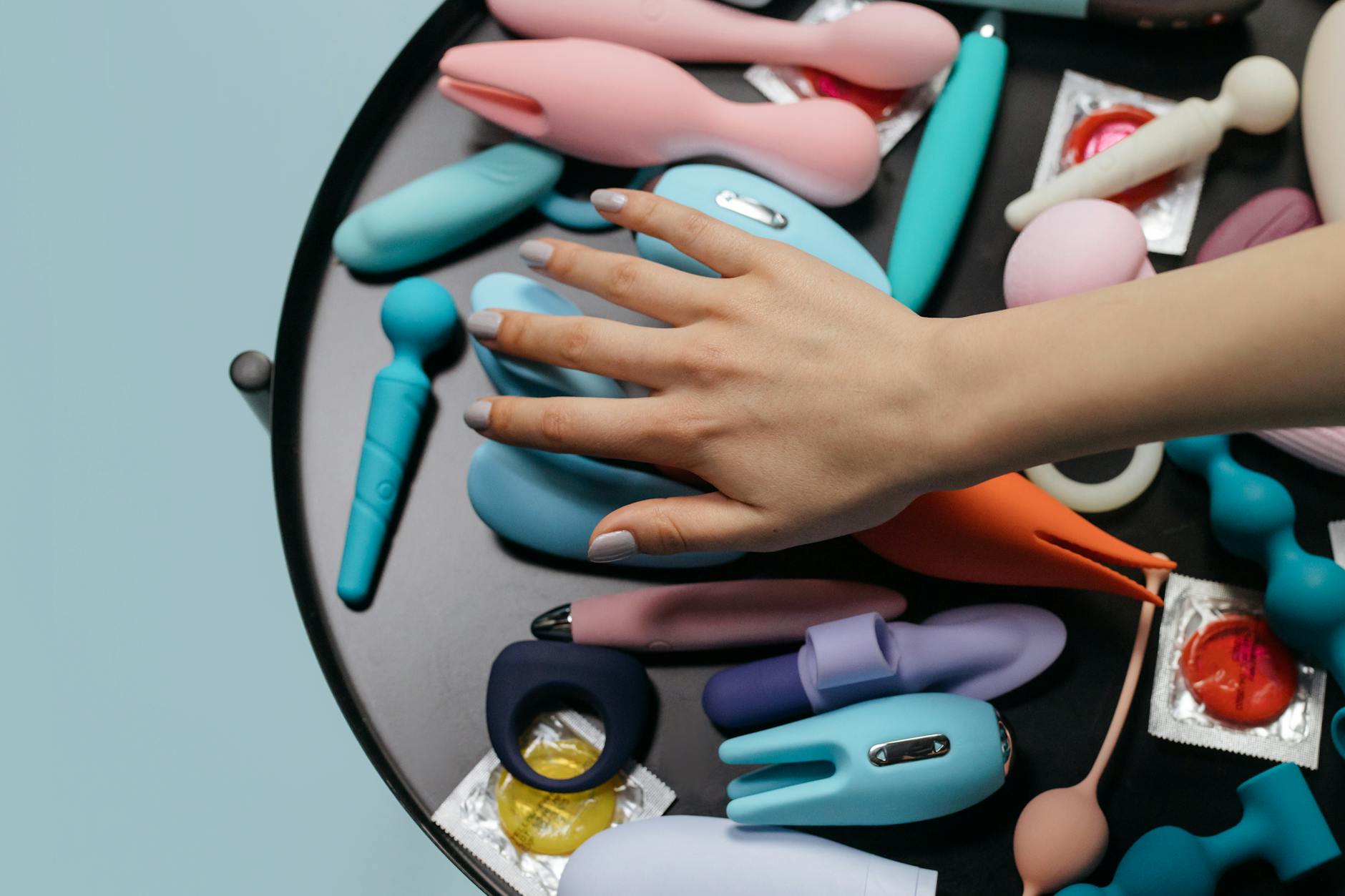
Photo by cottonbro studio on Pexels
Timing and medication interactions
If your antidepressant is working for your mental health and you want to keep taking it, using a lemon vibrator won't interfere with the medication at all. Suction and vibration don't interact with SSRIs or SNRIs.
Timing matters for your experience, though. Some people find that sensation is slightly better in the morning or early evening. Others notice that sensation varies throughout their cycle if they menstruate. Pay attention to when you feel most receptive and plan your exploration around that.
If you're considering stopping your antidepressant specifically to restore sexual sensation, pause. Talk to your prescriber first. Stopping antidepressants abruptly or without guidance can trigger relapse, withdrawal symptoms, or both. There are better paths forward.
FAQ: Common questions about antidepressants and pleasure
Will this always be a problem if I stay on my antidepressant?
Not necessarily. Many people experience sexual side effects for the first few months and then the body adjusts. Sensation gradually returns to baseline even without changing the dose. Others take a medication adjustment or switch to reach that point. And some people stay on their current medication with persistent side effects but find that tools like lemon clitoral vibrators make pleasure accessible again anyway. There's no single answer.
Can I use a lemon vibrator safely with my antidepressant?
Completely safe. Suction vibrators don't interact with any psychiatric medications. The lemon clitoral vibrator is made with medical-grade silicone and poses no medical risks. If you have other medical concerns, your doctor can confirm, but antidepressants are not a contraindication.
How long until I feel sensation again?
For most people, noticeable improvement shows up within two to four weeks of consistent use. Some people notice something within the first week. Others take six to eight weeks. Factors that affect timeline include how long you've been on the medication, your individual neurology, and how consistently you're using the tool. Patience is the real ingredient here.
Should I tell my partner I'm using a vibrator to address medication side effects?
That depends on your relationship. Some couples find that using a lemon vibrator together deepens connection and becomes part of rebuilding intimacy. Others prefer solo exploration first. There's no rule. What matters is that if you're in a partnered relationship, you're honest about what you need rather than hiding it or pretending everything is fine when it isn't.
What if my clitoris still feels numb even with the lemon vibrator?
Try extending your exploration time to 45 to 60 minutes once or twice weekly instead of shorter, more frequent sessions. Some nervous systems need longer periods of consistent stimulation to wake up. Also check in with your prescriber about whether a medication adjustment or switch might help. The vibrator is a tool, not a replacement for medical support if medication side effects are significantly affecting your quality of life.
Can I orgasm again while on antidepressants?
Many people do. Others find that orgasm becomes rare or changes in intensity. Some people discover that their orgasms feel different but actually more satisfying because they're less pressured and more exploratory. The capacity for orgasm is usually still there. The pathway might just take longer or require different stimulation. Lemon clitoral vibrators often help reopen that pathway by using suction instead of vibration alone, which many people find more accessible when sensation is dampened.
The bottom line
Antidepressants change your body's pleasure response. That's a real side effect, and it matters. But it's also navigable. Using a lemon suction vibrator combined with patience, consistency, and honest conversation with your prescriber can help you rebuild sensation and reconnect with pleasure.
Your mental health is non-negotiable. Your sexual pleasure is also non-negotiable. You don't have to choose between them. Sometimes you just need to find a different path to one while you're protecting the other.
If you're interested in exploring further, you might also read about how lemon vibrators help when medication dulls sensation and arousal or how to use lemon vibrators when rediscovering pleasure after long-term stress. Both address related challenges with practical strategies.
You deserve pleasure. Even, and especially, while you're taking care of your mental health.