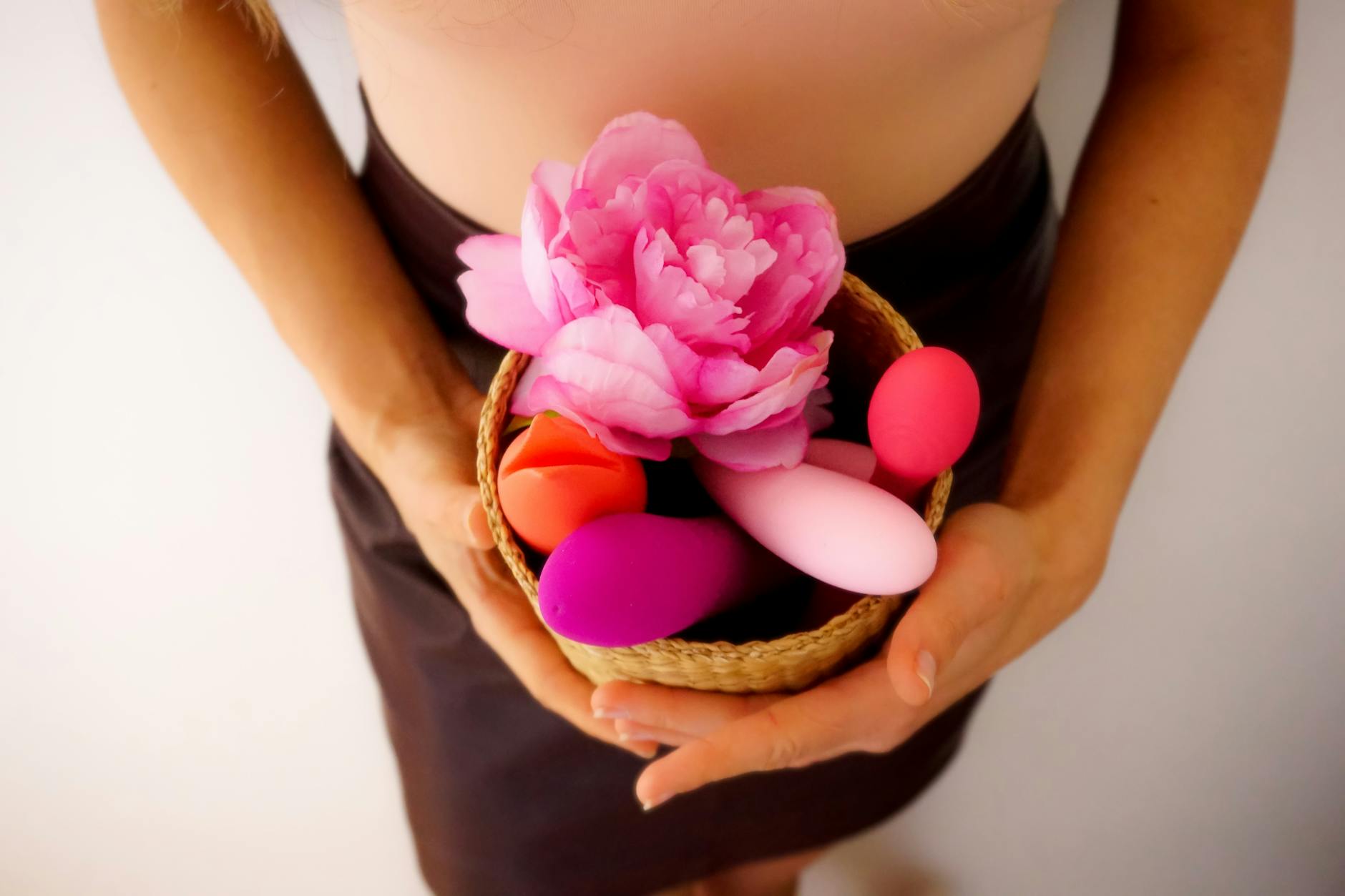
Let's talk about what stress actually does
Long-term stress doesn't just make you tired. It rewires your nervous system. Your body goes into resource-preservation mode. Cortisol climbs. Blood flow moves away from your genitals and toward your legs and arms (survival instinct, not sexy). Dopamine drops. The mental bandwidth for desire gets allocated to staying alert, managing crises, keeping it together.
Then the stress passes. And you realize something's broken. Or at least, feels broken.
It's not. It's suspended.
Why pleasure returns slower than you'd expect
Here's what surprises most of my clients. Even after the stressor lifts. even when life calms down. your body doesn't just flip a switch back to normal. Pleasure is the opposite of stress. It requires safety, presence, and permission. If you've spent months or years in high alert, your nervous system has learned that safety isn't the default. Teaching it otherwise takes time.
Some practical neuroscience: arousal lives in the parasympathetic nervous system. That's the rest-and-digest part of your brain. Stress lives in the sympathetic system. Fight-or-flight. When you've been in fight-or-flight for years, even low-level stressors can trigger the old pattern. Your body reads "trying to have pleasure" as a distraction it can't afford.
But here's the good news. The clitoral nerve endings don't get damaged by stress. Your capacity for sensation is still there. You just need to rebuild the pathway from your nervous system to that capacity.
The physical reset that matters
Three things happen in your body when pleasure returns from dormancy.
First, sensation sensitivity changes. After long stress, direct touch often feels too sharp or too much. Your nerve endings have been muted by cortisol for so long that normal stimulation can feel jarring. Lemon vibrators and other clitoral vibrators help because the suction and pattern-based stimulation feels different from direct touch. It's less about pressure and more about gradual waves. Your nervous system reads it as safe escalation, not sudden intensity.
Second, arousal takes time to build. I mean real time. Not the five-minute timeline some people remember from before. Budget 20 to 30 minutes of warmup, even if you're alone. Touch your arms. Your neck. Let your body remember what pleasure-adjacent sensation feels like before you bring a toy anywhere near your genitals. This isn't foreplay. It's nervous system repair.
Third, lubrication might be slow. Stress hormone cortisol interferes with the estrogen-testosterone balance that triggers natural lubrication. Even after the stress is gone, it can take weeks or months for your body to restore that fluid production. Water-based lubricant isn't a sign of failure. It's a tool that lets you keep going while your body recalibrates.
Why Lemon Toys help specifically
I recommend clitoral vibrators like Lemon Toys to clients rebuilding pleasure after stress for four concrete reasons.
First, lemon vibrators offer pattern variety. Unlike a basic vibrator, devices like the Lem offer multiple patterns and intensities. You can start at ultra-low and build at your own pace. Your nervous system gets to practice arousal incrementally. It's safer than a single-speed toy that forces you to choose between "nothing" and "overwhelming."
Second, suction-based stimulation bypasses some of the pressure trauma stress can create around touch. Many people who've been in chronic stress find they're touch-averse. Direct vibration can feel invasive. Suction feels like a gentle pull rather than a forceful push. Psychologically and physically, that distinction matters.
Third, the design matters. Toys that feel thoughtful and intentional. not clinical. help rebuild a positive relationship with your body. Lemon Toys are designed to feel like something you chose for yourself. not something you're "using to fix a problem." That psychological shift is not a small thing.
Fourth, lemon sexual toys work with slower arousal timelines. You can start at pattern one and spend 10 minutes there. Move to pattern two and stay for another 10. Build gradually. A toy that forces intensity early makes most people tense up, which defeats the point.
The emotional reset that comes first
Here's what I see happen with couples rebuilding pleasure after long stress. They try to jump back into partnered sex before they've rebuilt solo pleasure. That's backwards.
When you've been in survival mode, your body needs to remember that pleasure is allowed. That you deserve rest. That your pleasure matters as much as crisis management or keeping everything else running. Solo time with a lemon clitoral vibrator is not selfish. It's retraining your nervous system.
Start alone. Let yourself feel whatever you feel. Boredom is normal. Frustration is normal. Nothing happening for the first few sessions is normal. You're not trying to have an orgasm. You're teaching your body that a dedicated time to pursue sensation is safe and part of your life now.
How to actually use Lemon Toys when starting over
Honestly though, the mechanics matter less than the mindset. But here's the technical roadmap anyway.
Week one. Five to ten minutes. Pattern one. No pressure to feel anything. The goal is repetition and permission, not intensity. Lie down. Breathe. Let your mind wander. Many people find their brains return before their bodies do. That's fine.
Week two to three. Extend to 15 minutes. Try patterns one and two. If something feels good, stay there. If something feels like nothing, move on. You're mapping your sensitivity, not following a script.
Week four onward. Extend duration. Add more patterns. You'll notice that arousal starts to build faster. That sensation sharpens. That you want it more frequently. These are signs your nervous system is restoring its pleasure circuits.
Then. Only then. introduce a partner or return to partnered pleasure. And even then, keep the lemon clitoral vibrator in the bedroom. It's not a replacement for partnership. It's a stabilizer. A way to keep your nervous system in parasympathetic mode while you rebuild sexual connection.
The timeline is not predictable
I worked with a client once who spent three years in caregiving stress. She expected pleasure to return within weeks. Six months later, we finally cracked it. The block wasn't physical. She carried deep guilt about prioritizing her own pleasure while others needed her. The toy didn't fix that. But using it regularly. with intention. without outcomes. helped her practice the permission part. That was the actual repair.
So manage expectations. If you're rebuilding after long stress, two months is reasonable. Six months is common. A year is not abnormal. Your nervous system is learning a new pattern. That takes repetition.
When to see someone
If pain appears during stimulation. if numbing persists beyond three months. if you're using lemon vibrators multiple times a week and feeling nothing. talk to a therapist or a sex-positive gynecologist. Sometimes trauma lives in the body and needs professional help to release. That's not a personal failure. It's just neurobiology.
Pleasure after stress isn't about returning to who you were. It's about learning to trust your body again from right where you are.
Your body remembers pleasure. It just needs patience, permission, and the right tools to rebuild the path.
Frequently asked questions
How long does it take for pleasure to return after chronic stress?
There's no fixed timeline. Most people notice the first shifts within two to three months of intentional practice. Full nervous system recalibration can take six months to a year. Stress rewires your brain and body. Rewiring back takes repetition and time. Solo practice with a lemon vibrator accelerates the process because you're building positive sensation associations without pressure.
Can using a clitoral vibrator too much make it harder to feel pleasure without one?
This is a common worry and it's mostly unfounded. Your nerve endings don't become dependent on a specific vibration pattern. What can happen is your brain gets very efficient at responding to what works. That's adaptation, not damage. If you notice you only want the vibrator, that's usually a sign you need more rest, less pressure, or a different pattern. Vary your speeds and patterns. Spend time with slower stimulation. Your body will stay responsive.
What if I feel nothing the first few times I use a Lemon vibrator?
That's normal after long stress. Numbness is just dormant sensation, not permanent loss. Keep going. Many people need five to ten sessions before they feel anything. Your nervous system is learning that this situation is safe. Sensation follows permission. The order matters.
Should I use lemon sexual toys alone or with a partner after long stress?
Start alone. Always. Your nervous system needs to rebuild the association between pleasure and safety before adding another person's needs and presence into the mix. Once you're comfortable with solo pleasure, bring your partner in. But keep the solo practice going. It's grounding.
Does stress permanently affect clitoral sensitivity?
No. Stress doesn't damage the clitoral nerve endings themselves. It just mutes the signal between your nervous system and those nerves. That's reversible. As your cortisol normalizes and your parasympathetic nervous system restores, sensitivity returns. Lemon vibrators and other clitoral toys help speed that up because they offer varied stimulation while your nervous system is relearning.
How do I know when I'm ready to try partnered sex again?
When solo pleasure feels relatively accessible and non-pressured. When you're having sensation that feels good. When the anticipation outweighs the anxiety. Not before. Moving too fast back into partnership often retraumatizes the nervous system. There's no rush. Your pleasure matters more than the timeline.
Final thought
Long-term stress doesn't break your pleasure. It just puts it in storage while your brain manages survival. The path back is gentle. Intentional. Free of timelines. Lemon Toys and other thoughtfully designed clitoral vibrators make that path shorter because they let you rebuild sensation safely and at your own pace. Your body hasn't forgotten how to feel good. It just needs permission to remember.